
Livraison le jour même ou le lendemain

Qualité garantie

Débloquez vos offres de bienvenue: Livraison GRATUITE | Jusqu'à -80 % | 30 jours d'essai gratuits à JoyPlus
Téléchargez l'application
Whether it's for a camper van, an off-grid solar setup, or a boat, having a reliable power source is the number one priority. The 12V 100Ah LiFePO4 battery has become the gold standard, but in a market saturated with sometimes misleading claims, it's easy to get lost. Before taking the plunge, it's crucial to understand the pitfalls to avoid to ensure the performance and longevity of your system.
As a product expert at Joybuy, I'm here to help you make sense of it all. Let's review the key things to watch out for and the objective criteria for making an informed decision.
Marketing claims can sometimes hide technical weaknesses that only become apparent with use. Here are the three most common pitfalls to be aware of.
To evaluate a battery objectively, forget the marketing and focus on the technical specifications. They are the true arbiters of a product's quality and suitability for your needs.
The BMS (Battery Management System) is undoubtedly the most critical component. It ensures the battery's safety and longevity by managing several aspects:
LiFePO4 (Lithium Iron Phosphate) technology stands out for its ability to withstand a deep discharge without degradation.
Every project has its own requirements. Here is a selection of products suited to different user profiles, keeping performance and safety criteria in mind.
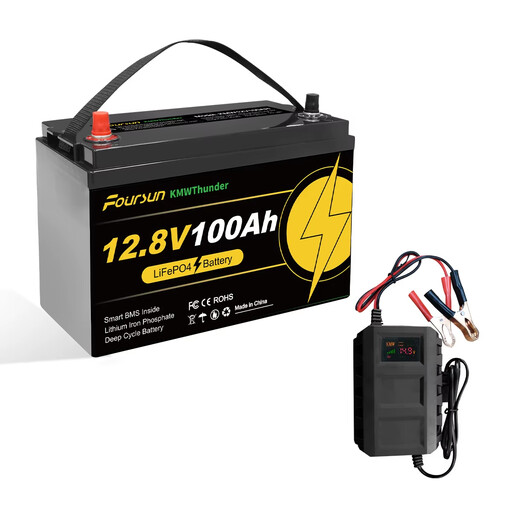
Why we chose it: Perfect for anyone looking for a motorhome battery, equipping a camper van, or setting up a solar energy storage system. This model is built for intensive, mobile use, offering a power solution that is both durable and safe.
This model includes an advanced BMS with low-temperature charging protection, an essential criterion for year-round use. Better yet, a compatible charger is included, which eliminates nasty surprises and hidden costs.
Top-tier endurance with over 4500+ rated cycles. Feather-light weight (about 1/3 of an equivalent lead-acid battery). Flexible installation in series (up to 48V) and parallel (up to 800Ah).
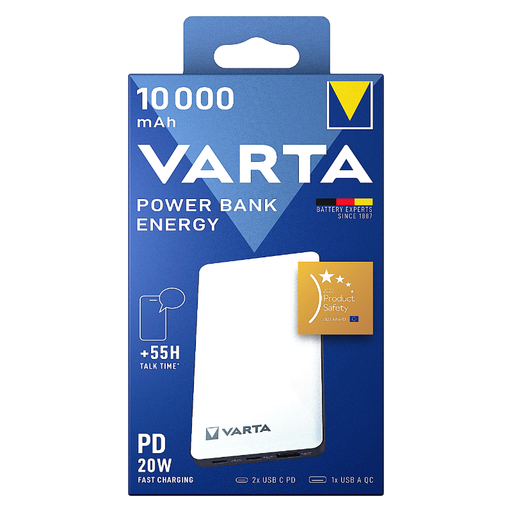
Why we chose it: As a supplement to your main setup, this power bank is the perfect companion for keeping your personal devices (smartphone, tablet, e-reader) charged in any situation, without draining your primary power reserves.
It protects you from running out of power on your small devices by providing a dedicated, reliable, and portable energy source. No more depending on a single power source for your essential gadgets!
Generous 15,000 mAh capacity. Simultaneously charge three devices thanks to its multiple ports (including one USB-C). Compact and robust design, built for travel.
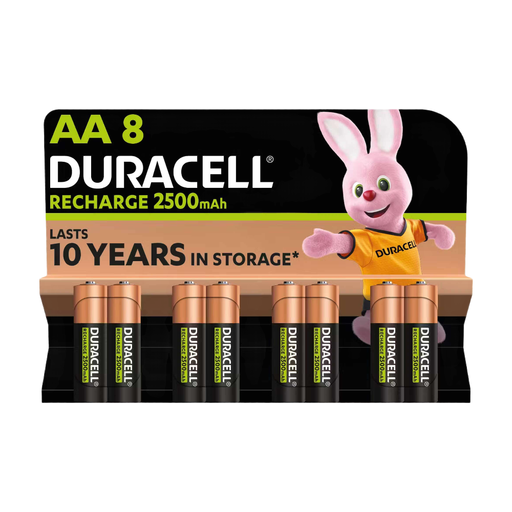
Why we chose it: While your LiFePO4 battery handles the heavy power consumers, don't forget about everyday small devices: headlamps, remote controls, portable radios... Switching to rechargeable batteries is both an economical and eco-friendly choice.
They put an end to the waste and constant purchasing of disposable batteries. The initial investment is quickly paid back, all while significantly reducing your waste.
High 2500 mAh capacity, perfect for power-hungry devices. Pre-charged and ready to use right out of the box. Can be recharged hundreds of times.
We have selected a full range of products that meet our strict selection criteria and current safety standards.
Its lifespan is primarily measured in charge/discharge cycles. A quality model can offer between 2000 and 5000 cycles while retaining at least 80% of its original capacity. In practical terms, for moderate use in a motorhome (about 100 cycles per year), this translates to a lifespan of 10 to 15 years, or even more. This is far longer than the 3 to 5 years of a lead-acid battery.
Yes, in most cases, as the dimensions are often standardised. However, there are two key points to watch out for. First, ensure your charging system (alternator, AC charger, solar controller) is compatible with lithium technology or, failing that, has an adjustable charge profile for LiFePO4. Second, never mix a LiFePO4 battery with a lead-acid battery in the same bank.
Yes, it's absolutely essential. Chargers for lead-acid batteries use charging algorithms (voltage, absorption phases, float, etc.) that are not at all optimised for LiFePO4 cells. Using an unsuitable charger not only risks never fully charging your battery but can also shorten its lifespan and even irreversibly damage its BMS.