If you cook often, induction is worth considering if your pans are compatible and the hob fits your existing worktop cut-out and installation. A radiant ceramic hob lets you keep using cookware that doesn’t work on induction. A traditional electric hob may also suit you if you want cast-iron hotplates, provided you check its size and specifications. ADEME’s published energy-use figures favour induction over ceramic hobs, but they can’t predict how much energy any individual model will use.
Who is this choice for?
Households that cook almost every day
If you prepare several dishes one after another or at the same time, check the number and diameter of the cooking zones, then compare them with the sizes of your pans. A timer or flexible zone is only useful if it suits the way you cook.
Households keeping their pots and pans
Cookware compatibility can determine which technology is right for you. UFC-Que Choisir points out that induction requires suitable cookware, while Electrolux France recommends checking that a magnet sticks to the base. This requirement for a ferromagnetic base doesn’t apply in the same way to radiant zones.
Anyone replacing a built-in hob
Measure the worktop cut-out before choosing a model. The hob’s overall width isn’t enough: Electrolux France and Bosch Electroménager France product specifications distinguish between the appliance dimensions and the space required for installation.
What should you check first?
Start with your cookware and the existing cut-out, then compare the cooking zones and energy-use information for the way you plan to use the hob.
| Criterion | What to check | My needs |
|---|
| Cookware |
For induction, test the base with a magnet and check the diameters accepted by the cooking zones. A radiant ceramic zone doesn’t require the ferromagnetic base needed for induction. |
I want to keep my pots and pans, so their compatibility may influence my choice before I consider the hob’s features. |
| Energy use |
ADEME publishes guide figures of 115 kWh/year for induction and 200 kWh/year for ceramic hobs, based on 409 cycles a year. Compare model-specific figures where available; these guide figures don’t predict your own usage. |
As I cook regularly, I want to take electricity use into account without assuming that every recipe will save the same amount. |
| Cooking zones and size |
Compare the cut-out dimensions for the exact model, the number of cooking zones and their diameters. Check whether it has an extendable or flexible zone if you need one for larger pans. |
I need enough room to prepare several dishes at once, while making sure the hob fits my worktop. |
| Electrical connection |
Check the total power, voltage and installation instructions for the model you’re considering. If you’re unsure, ask someone to check whether it’s suitable for your electrical installation. |
I’m replacing a built-in hob and need to confirm that the new model will fit the space and work with the available power supply. |
| Everyday use |
With a radiant ceramic hob, remember that it stays hot after cooking. Check each model for a residual heat indicator, timer and controls. |
Easy-to-understand controls and a warning when the surface is still hot matter for everyday use. |
What should you avoid?
-
Choosing induction without testing your cookware
An incompatible pan won’t activate the heat. Even with a suitable base, its diameter must be within the range accepted by the cooking zone.
Test the base of your pans with a magnet and check the hob instructions for compatible diameters before deciding which pans to keep.
-
Relying on the stated width alone
Two hobs with similar widths may need different cut-outs or have cooking zones of different sizes. So you can’t choose a replacement based on its overall dimensions alone.
Compare the existing cut-out measurements with those for the exact model, then check the cooking zone diameters and total power.
-
Treating annual guide figures as guaranteed savings
ADEME’s figures for induction and ceramic hobs are based on 409 cycles a year. They don’t tell you how much electricity your new hob will use for your own cooking.
Use these figures to compare the technologies, then look for model-specific information and consider how long you cook for and the size of your pans.
-
Confusing the technology with the installation type
An electric hob with cast-iron hotplates, a ceramic hob and an induction hob all work differently. A built-in hob also has different installation requirements from a freestanding portable hob.
First choose the technology and installation type you want, then compare the number of cooking zones, dimensions and electrical specifications.
A few brands to consider
These examples illustrate features to compare on specific models; they don’t represent every hob from each brand.
Bosch
The French product page for the Bosch PVW89BHC1E induction hob is an example of a model with several cooking zones.
- Bosch Electroménager France lists five cooking zones and a CombiZone area for this model.
- Check the dimensions and how the features work on the product page for the model you’re considering; these specifications don’t apply across the whole range.
Electrolux
The EHF6547FOK ceramic hob is an example of a product page that can help you plan a built-in replacement.
- For this model, Electrolux France lists a cut-out size of 38 × 560 × 490 mm, in height, width and depth order.
- These measurements apply to the EHF6547FOK model. Check the cut-out dimensions separately for any other hob.
Proline
Darty’s product listings include examples of Proline radiant and induction hobs.
- Darty lists, among other products, a Proline ceramic hob with three radiant zones and a Proline induction hob with three zones.
- These retailer descriptions don’t compare the performance of the two models.
Hobs to consider on Joybuy
These models cover two of the options discussed here: built-in induction hobs and a four-zone ceramic hob. For each one, check cookware compatibility, the cut-out dimensions and the electrical connection requirements.
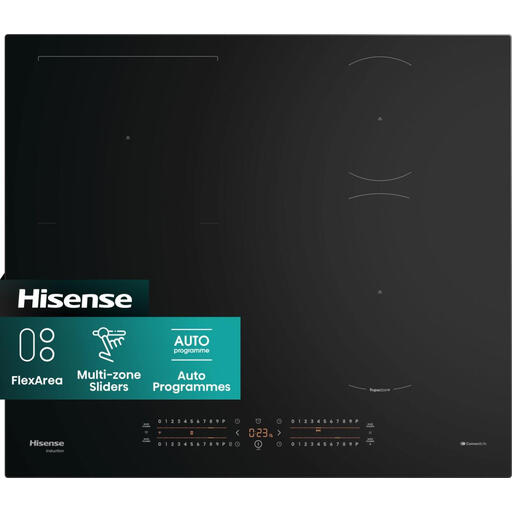 Image unavailable
Hisense HI6432BSCWF Hi6, 60 cm induction hob
Worth considering if you’re looking for a built-in induction hob for regular cooking. Check that your cookware works on induction, that the pan diameters suit the cooking zones, and that the cut-out and power supply are right for your kitchen.
View on Joybuy
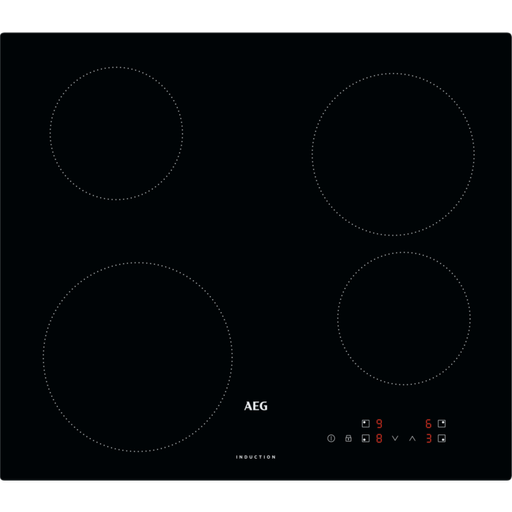 Image unavailable
AEG IBS64200CB, 59 cm induction hob, two-phase Perilex
If you’re replacing a built-in hob, carefully compare the cut-out and connection requirements with your kitchen. Flush fitting and certain positions above other appliances need to be checked in the instructions. Also make sure your cookware is compatible.
View on Joybuy
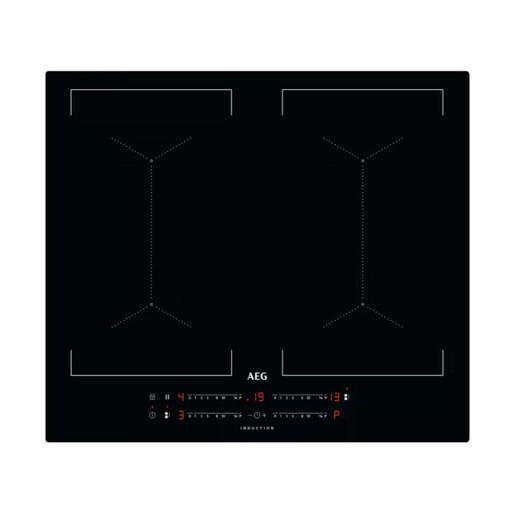 Image unavailable
AEG IKS64453IB, 60 cm induction hob, 4 zones and Bridge function
The four zones and Bridge function listed may appeal to a household using several pans or larger cookware. Before replacing your hob, check the exact cut-out dimensions in the instructions: they can’t be worked out from the 60 cm width given in the title.
View on Joybuy
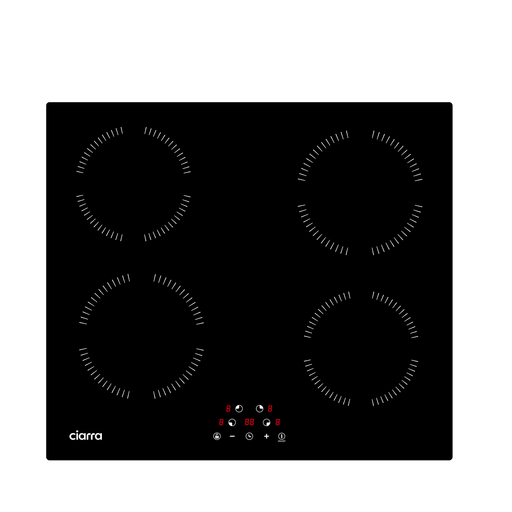 Image unavailable
CIARRA CABBIH4-A, 4-zone induction hob, 9 power levels
This four-zone layout may suit you if you cook several dishes at once. For built-in installation, compare the stated 560 × 490 mm cut-out with your worktop, and check the connection requirements and the accepted pan diameters.
View on Joybuy
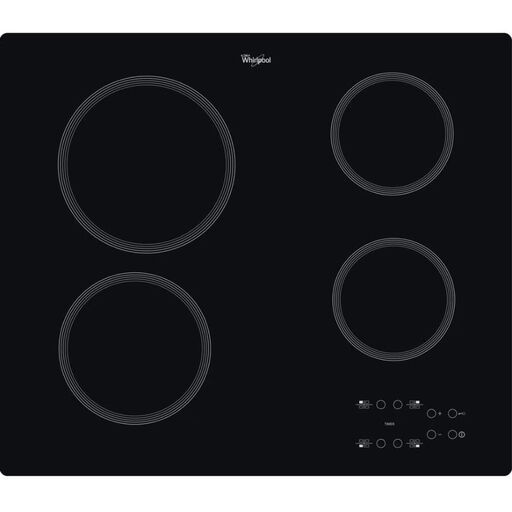 Image unavailable
Whirlpool AKT 801-NE, 4-zone ceramic hob
This radiant hob is worth considering if you want to keep using cookware that isn’t suitable for induction. Check the stated 560 × 490 mm cut-out and the electrical connection. After cooking, remember that residual heat remains, as shown by the indicator listed.
View on Joybuy
Frequently asked questions
How can I check whether my pans are suitable for induction?
A magnet should stick to the base of the pan, as Electrolux France advises. Also check the instructions for the hob you’re considering to see which pan diameters its cooking zones accept.
Does induction always use less energy than a ceramic hob?
Not necessarily for every model or type of cooking. ADEME gives annual guide figures of 115 kWh for induction and 200 kWh for ceramic hobs, based on 409 cycles. Your hob’s energy use will depend on how you use it.
What should I measure before replacing a built-in hob?
Measure the existing cut-out and compare it with the installation dimensions for the exact model, not just its overall width. Before making your choice, also check its power, electrical specifications and installation instructions.
Is maximum power enough to compare two hobs?
No. On its own, it doesn’t tell you how long the hob will take to heat up or how much electricity it will use while cooking. UFC-Que Choisir measures separately the time and energy needed to heat a pan of water to 90 °C. Also look at the size of the cooking zones and any available energy-use figures for the models you’re interested in.


