
Livraison le jour même ou le lendemain

Qualité garantie

Débloquez vos offres de bienvenue: Livraison GRATUITE | Jusqu'à -80 % | 30 jours d'essai gratuits à JoyPlus
Téléchargez l'application
Printing photos at home promises to bring your digital memories to life. Yet, the results are often disappointing?: faded colours, instant fingerprints, and paper that curls... Choosing the right 10x15 photo paper seems simple, but many pitfalls can ruin your prints and your wallet. Before you get started, let's review the most common mistakes to avoid.
high-gloss photo paper ensures instant drying and a durable surface.280g photo paper, suggests quality and durability. However, a weight that is too high can cause jams if your printer isn't designed to handle it. Balance is key.To avoid these issues, you just need to master a few simple but decisive technical points.
The finish of your paper has a direct impact on the final look and feel of your photos.
High-Gloss)?: This is the most popular choice for photos with vibrant, high-contrast colours. Ideal for holiday albums and vivid portraits, this finish brings out the details. However, it can be prone to glare and fingerprints if the quality isn't up to par.Paper weight, expressed in grams per square metre (g/m?), defines the paper's thickness and stiffness.
280g photo paper. It offers a near-professional feel of durability, but it's crucial to check the maximum capacity of your inkjet printer to avoid jams.Check that the packaging is clearly marked as inkjet photo paper (Inkjet). This printing technology projects fine droplets of liquid ink that must be absorbed instantly by a special coating on the paper to prevent smudging. Unsuitable paper will not have this absorption capacity, completely ruining your at-home photo print.
Rather than looking for a one-size-fits-all product, it's better to choose a paper suited to your needs. Here are a few options we recommend for 2026.
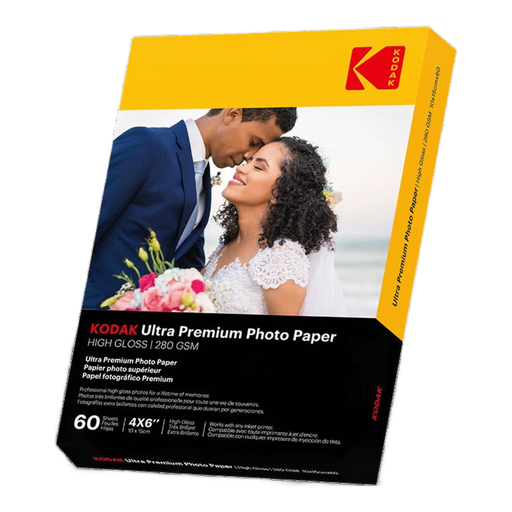
Why we chose it ? Ideal for those aiming for lab-quality results. Perfect for albums, frames, and gift photos where vibrant colours and print durability are essential.
Its high-gloss finish is designed for instant drying, which limits fingerprints. The 280 g/m? weight offers excellent rigidity without being too thick for most modern inkjet printers.
Very vivid colour reproduction and high contrast for impactful prints. The Kodak brand reputation is a guarantee of consistent quality.
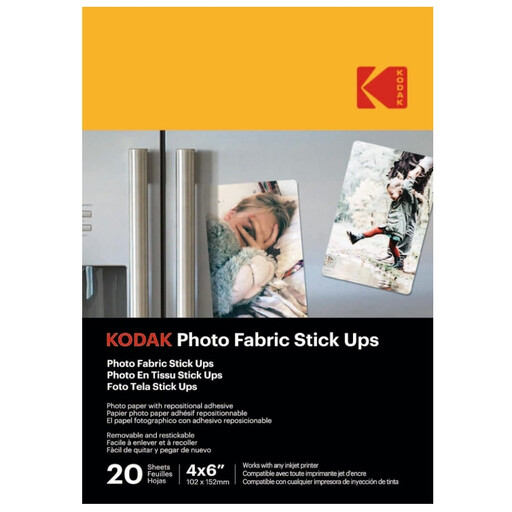
Why we chose it ? For crafting enthusiasts who want to go beyond a simple print. Perfect for decorating a wall, personalising a notebook, or creating collages without a single drop of glue.
This product bypasses the "glossy" trap by offering a unique textured surface that is both durable and original. Its main feature is its adhesive back, making it a highly specific niche product.
The repositionable adhesive lets you stick, peel, and restick photos without leaving residue or damaging surfaces. The fabric base makes it tear-resistant.
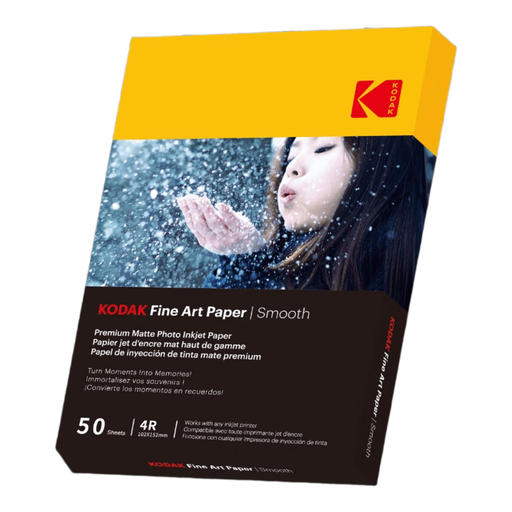
Why we chose it ? An excellent alternative for those who dislike the look of gloss. The matte finish is ideal for portraits, art photos, or images that will be framed, as it eliminates distracting glare.
By opting for a matte finish, it directly solves the problem of fingerprints and glare. Its 230 g/m? weight is an excellent compromise, compatible with almost all inkjet printers.
Brings an artistic and professional touch to your prints. The smooth, non-reflective surface highlights the image's composition without visual distraction.
We've compiled a complete list of products that meet our selection criteria and current quality standards.
1. What's the difference between 230 g/m? and 280 g/m? photo paper?? The main difference lies in the stiffness and feel. A 280 g/m? paper is thicker and provides a more premium feel, similar to a lab print. A 230 g/m? paper is more flexible but still excellent quality for everyday use. The choice depends on your expectations and your printer's compatibility.
2. How should I store my photo prints to prevent them from fading?? To preserve the longevity of your prints, store them in a dry place, away from direct sunlight and extreme temperature changes. Photo albums or opaque storage boxes are ideal solutions. Using high-quality inks recommended by your printer's manufacturer also plays a crucial role.
3. Can I use any 10x15 photo paper in my inkjet printer?? No, and this is a crucial point. You must choose paper specifically designed for inkjet printers. These papers have a special surface coating that absorbs ink quickly and precisely. Using incompatible paper (like paper for laser or thermal printers) will result in smudging, poor colour reproduction, and wasted ink.