Families with regular large loads
If everyday laundry, sheets and blankets often fill your machine, compare capacities based on the loads you typically wash. A larger drum is worth considering if you want to avoid running repeated cycles.


For a household of three to four people, a capacity of 8 to 9 kg is generally enough, according to UFC-Que Choisir. Consider a larger drum if you regularly have large loads to wash. If you alternate bulky loads with smaller washes, check the load settings on the specific model, then measure it and make sure there’s enough room to open the door.
How often you wash large loads matters more than the size of your family when deciding whether a large drum will be useful day to day.
If everyday laundry, sheets and blankets often fill your machine, compare capacities based on the loads you typically wash. A larger drum is worth considering if you want to avoid running repeated cycles.
If you alternate large washes with smaller loads, check how each model adjusts the water or programme to suit the load. A feature available on one model in a range may not be included on every model.
Before choosing a large capacity for occasional use, check the care label and the size of the duvet. According to 5àsec France, a double or particularly thick duvet may still be too bulky for a domestic washing machine.
Start with the loads you wash most often, then consider smaller loads and installation requirements before comparing programmes.
| Criteria | What to check | My needs |
|---|---|---|
| Capacity | Compare the stated capacity with the dry laundry in your usual loads. UFC-Que Choisir says 8 to 9 kg is generally enough for three to four people; also check the load limit for each programme. | Do sheets and everyday laundry regularly fill the drum, or are very large loads only occasional? I want to avoid running multiple cycles without choosing a capacity I’ll rarely use. |
| Smaller loads | Check the exact model for load detection, water-level adjustment and the programmes these features apply to. Don’t assume a cycle will perform in a particular way based on a vague mention of ‘automatic’ settings. | I alternate large washes with a few clothes at a time, so settings for smaller loads matter just as much as the maximum capacity. |
| Size | Measure the space and delivery route, then check the model’s depth and the clearance needed in front of the door. UFC-Que Choisir says front-loading machines are generally around 60 cm wide and 85 cm high, but these measurements are no substitute for checking the model you choose. | The machine needs to fit through doorways and be easy to use once installed, with enough room to load the laundry. |
| Programmes and usage | Check the load limit for the programme you plan to use and follow the care instructions for your fabrics. According to UFC-Que Choisir, a quick programme generally takes less laundry than the machine’s maximum capacity. | If I wash a duvet or often use a quick cycle, I want to know which programme is suitable for that laundry and load size. |
| Ease of use | Compare the model-specific information on spin noise and filter access. Where possible, check washing and rinsing results using comparable data. | A large drum isn’t enough if the noise, maintenance or results on everyday cycles aren’t right for my household. |
This exceptional load may not reflect your usual washing. What’s more, a particularly thick duvet may still be too bulky for a domestic machine, as 5àsec France points out.
Keep track of your loads over several weeks and check the duvet’s care label. If you rarely wash it, compare a capacity better suited to your everyday cycles and a suitable one-off laundry option for that fabric.
Depending on the model, automatic features may adjust the water, detergent dosage or cycle settings. These functions don’t all serve the same purpose.
Check the product details or manual for the exact function and the programmes it applies to. Also check the energy label information for the specific model you’re considering.
A machine may fit into its space but still make it difficult to load laundry. Doorways and corridors also matter for delivery.
Measure the route, the space for the machine and the clearance in front of it. Check the model’s depth with the door open as well as the depth of the machine itself.
UFC-Que Choisir says quick programmes generally take a smaller load than the machine’s maximum capacity.
Follow the load limits and programme instructions in the manual; don’t assume the machine’s stated capacity applies to every cycle.
These brand examples highlight features to check on a specific model; they don’t necessarily apply to the models featured below.
Worth considering if you’re looking for a 10 kg front-loading machine and want to compare features for smaller loads.
Worth considering if you’re looking for an 11 kg front-loading machine and cycle-adjustment features are important to you.
The F14R31WHSA is an example of an 11 kg front-loading machine with specifications you can check.
This selection includes 9 to 11 kg washing machines and a washer-dryer with an 11 kg washing capacity. Compare them based on how often you wash large loads, and remember that washing and drying capacities are different.
 Image unavailable
The stated 10 kg capacity is worth considering if you regularly wash large loads. The model name indicates 1 400 rpm, an A rating and AutoDose. If you wash duvets, check the manual for the right programme. Also make sure there’s enough room in front of the door.
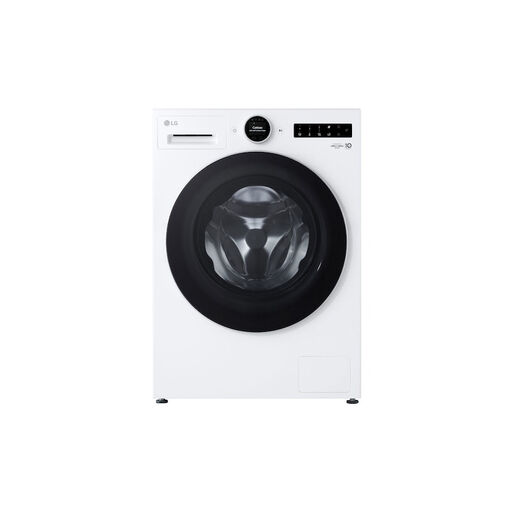 Image unavailable
Its stated 11 kg capacity may suit a household that regularly builds up large loads. The model name indicates an A rating. For bedding, check the load limit for your chosen programme. Also check the full dimensions and the clearance needed to open the door before installation.
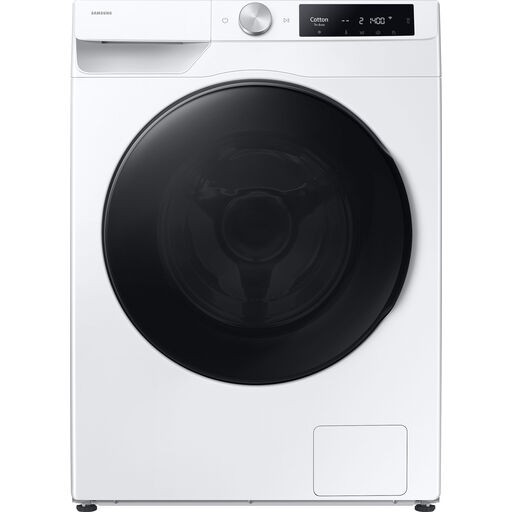 Image unavailable
This washer-dryer has an 11 kg washing capacity but a 6 kg drying capacity, so you may not be able to dry a large load in full in the same cycle. If you plan to wash duvets, check the programmes and their load limits. Also measure the space in front of the door.
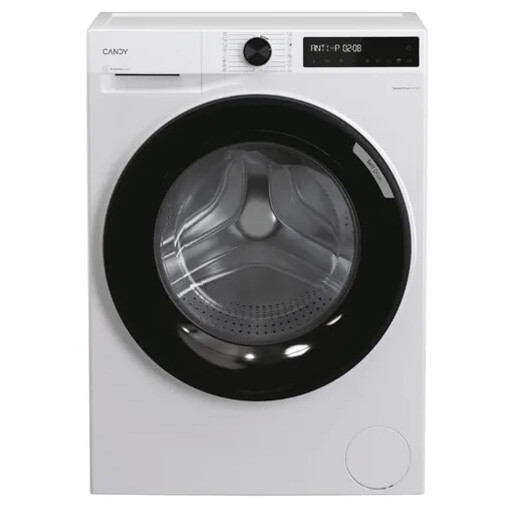 Image unavailable
The stated 11 kg capacity is worth comparing with the large loads you regularly wash. The model name indicates an A rating. If you also wash lots of smaller loads or need to wash a duvet, check the manual for the relevant settings and programmes. Check the depth with the door open, too.
 Image unavailable
With a stated capacity of 9 kg, this model is worth comparing if you mostly wash everyday loads and larger loads are less frequent. Its name indicates 1 600 rpm and SmartSelect. Check the manual for the settings available for the loads you wash. Also make sure there’s enough room to open the door.
No. According to UFC-Que Choisir, 8 to 9 kg is generally enough for a household of three to four people. Consider a larger capacity if you regularly build up large loads, rather than choosing based only on the number of people in your household.
No. Check the care label, the size of the duvet and the load limit for the programme you plan to use. 5àsec France says that a double or particularly thick duvet may still be too bulky for a domestic washing machine.
Look for load detection or water-level adjustment on the specific model, then check which programmes these features apply to. For example, Bosch describes Active Water Plus as adjusting the water to suit the load on equipped appliances. This description doesn’t apply to every model.
Measure the space, doorways and delivery route, then leave enough room in front of the machine to open the door. The general dimensions for front-loading machines given by UFC-Que Choisir are no substitute for checking the model you choose, particularly its depth with the door open.
Compare the information for the specific models rather than estimating energy use based only on drum capacity. The European Commission says the public EPREL database provides access to key information about registered appliances, including washing machines.