
Livraison le jour même ou le lendemain

Qualité garantie

Débloquez vos offres de bienvenue: Livraison GRATUITE | Jusqu'à -80 % | 30 jours d'essai gratuits à JoyPlus
Téléchargez l'application
In today's increasingly compact living spaces, getting laundry clean and dry without sacrificing room can be a real puzzle. The washer-dryer stands out as the ultimate two-in-one solution. But with a jungle of models out there, how do you find the perfect one?
This guide is here to help. I'm a Product Recommendation Manager at Joybuy, and my mission is simple: to give you the tools to choose the appliance that truly meets your needs, cutting through the marketing jargon. We'll break down the essential criteria before presenting a selection of models that stand out from the crowd.
Before diving into our selection, let's review the features that are real game-changers in daily life. Here are the key points to check before you buy.
For families or anyone whose laundry baskets fill up in the blink of an eye, a 10?kg washer-dryer offers unbeatable convenience. It can tackle large loads, including duvets and sheets, in a single cycle. One thing to watch out for, however: the drying capacity is always lower than the washing capacity (usually between 5 and 7?kg).
Another crucial point is energy efficiency. Opting for a Class A washer-dryer is a smart move to lower your electricity bill. Be sure to decode the energy label, which details the consumption in kWh per 100 wash cycles and the volume of water used per cycle.
Today, technology is reinventing the chore of laundry. A smart washer-dryer gives you the freedom to start a cycle remotely from your smartphone, receive a notification when it's finished, or download custom programmes.
Auto-dosing is another one of those life-changing features. The machine weighs the laundry and adjusts the amount of detergent and softener on its own. No more waste, just perfect results every time!
Finally, to pamper your most delicate fabrics, look for a model with low-temperature drying. It's the best protection against the risk of shrinking or damage.
In an apartment or an open-plan kitchen, the noise from a machine can quickly become a nightmare. A quiet washer-dryer, equipped with an induction motor (like an "Inverter" or "Direct Drive" type), will make a real difference, especially during the spin cycle. The noise level is indicated in decibels (dB) on the energy label; a model rated A for this criterion is a safe bet.
Let's get down to business: here are the models that have caught our eye.
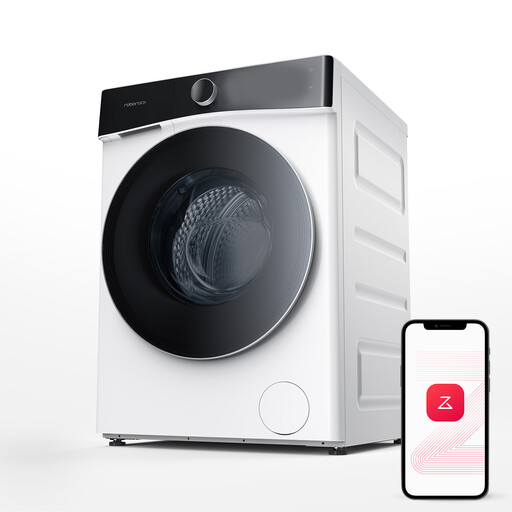
Why it stands out: This model combines a generous 10?kg washing capacity with cutting-edge technologies. Its Zeo-Cycle low-temperature drying system, inspired by zeolite, dries effectively while preserving the most delicate fibres. The auto-dosing feature and the self-cleaning LintClear filter make it a valuable everyday ally.
Pros:
Who is it for? Ideal for families looking for a smart, high-performance appliance that can handle large loads while pampering delicate clothes.
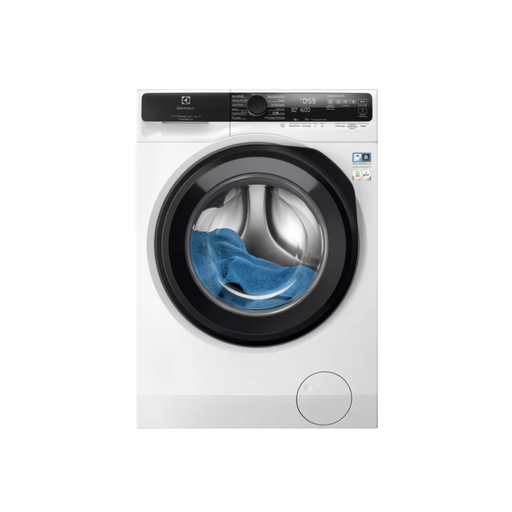
Why it stands out: With its 9?kg capacity, this Electrolux model is an excellent alternative, especially thanks to its steam functions. The SteamCare programme refreshes clothes, reduces odours, and de-wrinkles laundry, all without running a full wash cycle. Its SensiCare technology adjusts the cycle duration to the load, saving time, water, and energy.
Pros:
Who is it for? Perfect for those who want to put an end to the chore of ironing and frequently refresh their clothes. It will also appeal to users who are mindful of laundry hygiene and their energy consumption.
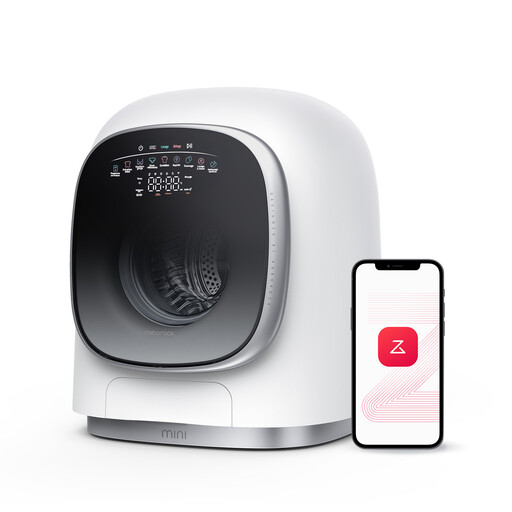
Why it stands out: This isn't a 10?kg model, but it earned a spot here for its unique concept. With a 1?kg wash and 0.5?kg dry capacity, it's designed for small, daily loads: baby clothes, lingerie, sportswear... It features the same Zeo-Cycle drying technology as its larger sibling, offering premium care in a mini format.
Pros:
Who is it for? A perfect niche solution for people living alone in a small space, or for families who want a dedicated machine for delicates or baby clothes, allowing for separate washes.
Our selection highlights models with advanced features. If your needs are different or you simply want to explore a wider range of capacities and brands, feel free to browse our full catalogue.
Consumption varies greatly depending on the model and cycle. A modern Class A washer-dryer generally uses between 45 and 55 kWh per 100 wash cycles (in Eco 40-60 mode). For a complete wash + dry cycle, consumption is logically higher. The smart move: always check the appliance's energy label to compare the exact figures.
This is a fear inherited from older models, which could indeed be harsh on textiles. Rest assured, modern appliances, especially those with low-temperature drying (heat pump, Zeo-Cycle system...), are much gentler on fibres. They dry laundry more slowly, which preserves fabrics, limits shrinking, and even allows for treating delicate items like wool or silk.
Yes, and this is a purely physical limitation. For drying to be effective, hot air must be able to circulate freely around the laundry. A drum filled to its maximum washing capacity (e.g., 10?kg) would be too compact to allow for even drying. This is why the drying capacity is typically 50% to 60% of the washing capacity. For example, the Roborock Zeo Lite can wash 10?kg of laundry but can only dry 6?kg. The best practice: if your machine is full, remember to remove some of the laundry before starting the drying cycle.