
Livraison le jour même ou le lendemain

Qualité garantie

Débloquez vos offres de bienvenue: Livraison GRATUITE | Jusqu'à -80 % | 30 jours d'essai gratuits à JoyPlus
Téléchargez l'application
That low-battery anxiety at the worst possible moment? We've all been there. A 10,000?mAh power bank is the ideal solution: compact enough to slip into a bag, yet powerful enough for multiple recharges. But the market is a jungle of marketing promises that too often lead to disappointment. Before you buy, you need to know how to avoid the common pitfalls to invest in a reliable accessory that will last for years.
Our editorial team has sifted through the market to help you make an informed decision. Here are the red flags and objective criteria to consider.
Too many users get duped by products that don't live up to their promises. Here are the three most common pitfalls:
To be confident in your purchase, focus on these three foolproof technical parameters.
A 10,000?mAh capacity is an excellent compromise between portability and power, typically offering 1.5 to 2 full recharges for a modern smartphone. But the charging speed depends on the power output, measured in Watts (W).
Verify that the power output is compatible with your devices' needs.
Modern power banks should offer a combination of ports for maximum flexibility.
A good power bank for smartphones should have at least one USB-C port and one or more USB-A ports to power multiple devices simultaneously.
Never compromise on safety. Always insist on the CE mark, which guarantees the product's compliance with European standards. Reputable brands like Belkin also integrate multiple protections (overheating, overvoltage, etc.) for complete peace of mind.
Rather than an indigestible spec sheet, we've matched products to real-world use cases. Find the one that's right for you.
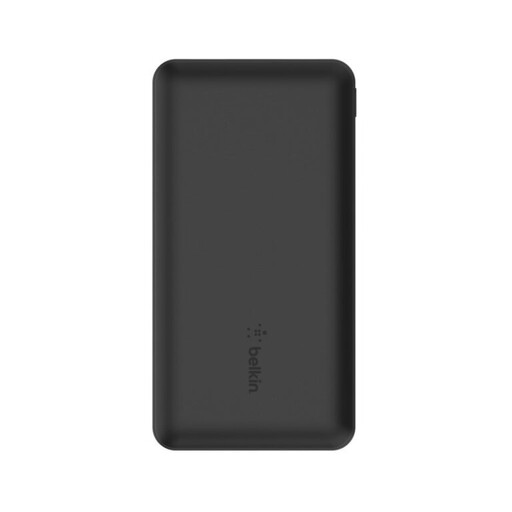
Why we chose it: For daily travel, reliability and compactness are paramount. This model offers a safe power source to get you through the day without weighing down your bag. Its ability to charge three devices at once is a real bonus for juggling your smartphone, earbuds, and smartwatch.
Belkin is a reputable brand with proven reliability. This Belkin power bank includes comprehensive safety features and delivers 15W, thus avoiding the trap of sluggish charging and uncertified products.
Simultaneous charging for three devices (1 USB-C port, 2 USB-A ports) and a compact, lightweight design (222g).
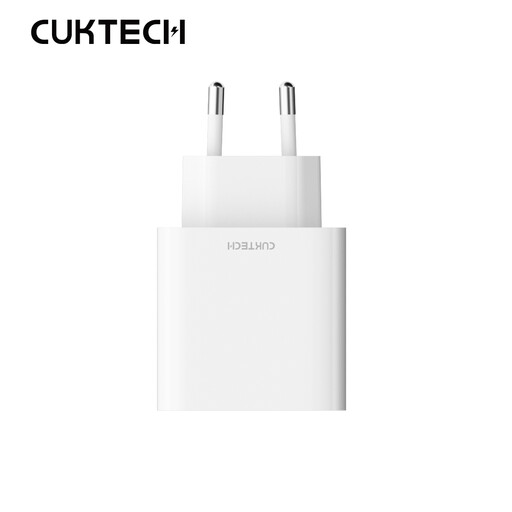
Why we chose it: Having a good power bank is great. Being able to recharge it in a flash is even better. For you, every minute counts. This powerful wall charger is the essential accessory to ensure your power bank is always ready to go.
It tackles the Achilles' heel of many power banks: their own recharging time. With its 30W of power via USB-C, it recharges a 10,000 mAh power bank at a speed incomparable to a standard 5W charger.
30W power output and dual ports (USB-C and USB-A) to charge both the power bank and another device at full speed.
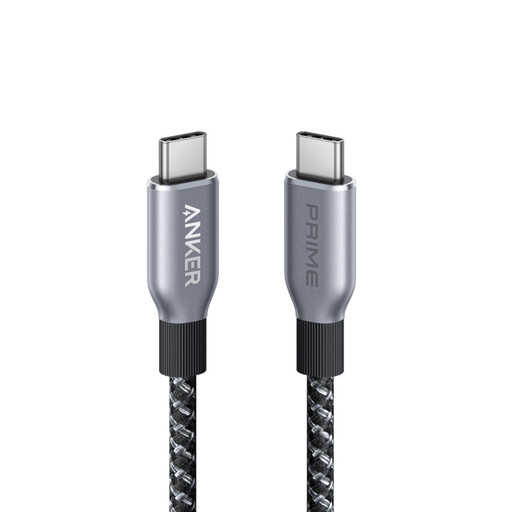
Why we chose it: For those who make no compromises on quality and durability. A low-quality cable can throttle your charging speed and wear out in record time. This Anker cable is built to last and handle the highest power outputs: a long-term investment that will serve your power bank as well as your laptop.
It addresses the often-overlooked component: the cable. Its braided sheath and ultra-durable design are a guarantee of longevity. Capable of handling 240W, it ensures it will never be the weakest link in your charging setup, even with a high-performance 10,000 mAh power bank.
Extreme durability (designed to withstand over 300,000 bends) and compatibility with very high power outputs (up to 240W).
We've compiled a complete selection of products that meet our quality criteria and European safety standards.
It all depends on your phone's battery capacity. To estimate it, the calculation is simple: (10,000 * 0.65) / (Your smartphone's battery capacity in mAh). For example, for a smartphone with a 4,000?mAh battery, you'll get about 1.6 full recharges (6500 / 4000). The 0.65 factor represents the real-world capacity after accounting for energy loss.
The lifespan of a lithium-ion battery is measured in charge cycles. On average, a quality model maintains good performance for 300 to 500 full cycles, which is about two to three years of regular use. Of course, manufacturing quality and how you use it (avoid extreme temperatures!) play a crucial role in its longevity.
Yes, modern, CE-certified power banks are equipped with protections that automatically cut off the power once fully charged, preventing any risk of overcharging. So you can leave it plugged in without worry. However, to preserve the battery's long-term health, it's still good practice to unplug it once it's recharged.