
Same-day & Next-day Delivery

Quality Guaranteed

Unlock Your Welcome Offers: FREE Delivery | Up to 80% OFF | Free 30-day JoyPlus trial
Download the APP
A 1.5 L insulated container can be used to carry soup for several people, keep water hot at the office, prepare a family meal or take a drink with you on an outing. However, product descriptions do not always reflect everyday use. A large capacity does not guarantee effective thermal retention or sufficient leak resistance for transport.
Before comparing a large-capacity insulated food flask, a stainless steel insulated jar or an insulated carafe, it is worth keeping three common pitfalls in mind.
A capacity of 1.5 L only indicates the volume the container can hold. It does not mean that its contents will stay hot for 24 hours. Heat retention depends on the material, type of insulation, starting temperature, fill level and number of times the container is opened.
For example, some food containers claim to retain heat for 4 to 6 hours, which is suitable for commuting or lunch. An insulated jug left on a worktop may deliver different performance, as it is shaken less and carried around less often than an insulated lunch box in a bag.
An airtight closure reduces the risk of leaks, but it does not remove the need to follow the instructions for use. Some models must be kept upright and do not cope well with being tilted significantly. The shape of the seal, the lid thread and the width of the opening also affect how safely the container can be transported.
For everyday use, check that the product can be placed upright, that the lid screws on correctly and that the seal can be removed for separate cleaning.
A wide-opening vacuum container is convenient to fill, serve from and clean. However, dishes containing milk, sauces or perishable food should be eaten promptly, and the container should be rinsed after use. Some models are not dishwasher-safe and have delicate parts, particularly when fitted with a glass lining.
304 stainless steel is a common choice for a stainless steel insulated jar. It generally stands up well to everyday use and is easy to clean by hand with a soft sponge. 316 stainless steel, used in some food containers, has a different composition and may suit users looking for a more specialised construction.
Double-wall borosilicate glass is another option. It retains fewer odours, but requires greater care to protect it from knocks. Whatever the model, follow the recommendations in the instructions: avoid drops, significant impacts and direct heating.
A 1.5 L container is suitable for families, shared meals and long days. On the other hand, it may be heavier and bulkier than a standard thermal bottle. Remember to compare its dimensions with your bag, fridge or the available space in the office kitchen.
A 1.4 L model may offer an appealing compromise for anyone wanting a large capacity without opting for exactly 1.5 L. Conversely, a 1 L insulated carafe may be enough for serving coffee or tea at home, but it will not meet the same need as a large-capacity insulated food flask.
Look for precise information: the stated duration, reference temperature and test conditions. Before filling it, preheat the container with hot water or pre-chill it with cold water for a few minutes. This step can improve temperature retention.
A claim such as ‘keeps hot for 24 hours’ should be treated as a manufacturer’s specification, not as a guarantee that applies in every situation. The outside temperature, the actual volume of contents and the number of times the container is opened have a direct impact on the result.
A wide opening makes it easier to fill the container with rice, soup or pieces of vegetables. It also allows you to eat directly from the container, provided you handle it carefully.
For a drink, a pouring lid or push-button may be more convenient. A temperature display lets you check the reading shown on the lid, but it does not replace the usual precautions when handling very hot liquids. Also check the usage restrictions: fizzy drinks, dry ice, corrosive liquids and heating in an oven or microwave are often prohibited.

Why this choice suits this profile : With its 1.4 L capacity, it is suitable for meals at the office, daily commutes and short trips, without trying to reach exactly 1.5 L.
The product description mentions a wide opening, an airtight closure and a stated retention time of 4 to 6 hours. This information helps define how it should be used, without suggesting that it will keep a meal hot all day.
304 stainless steel, vacuum insulation, wide opening and a stated weight of approximately 1.02 kg.

Why this choice suits this profile : It offers the sought-after 1.5 L format and is aimed at users who prioritise 316 stainless steel and a convenient opening for generous meals.
The product description states a retention time of 4 to 6 hours and recommends hand washing. Buyers can therefore assess it for everyday use rather than extended heat retention.
1.5 L capacity, 316 stainless steel, vacuum insulation, wide opening and a seal designed to help prevent leaks.
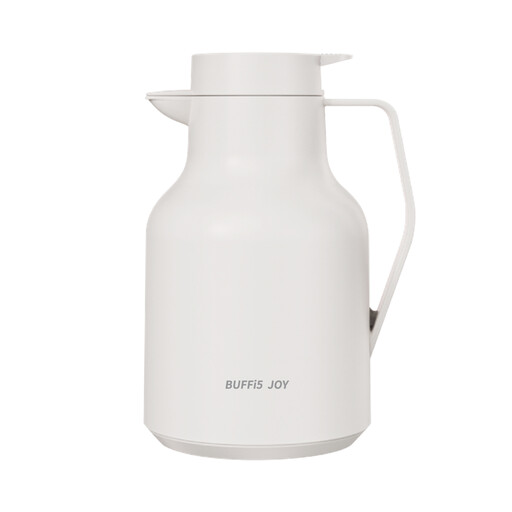
Why this choice suits this profile : This model is designed for use at home or in the office, when you need to keep water hot and serve it easily thanks to a temperature display and dispensing button.
The touch display provides an immediate indication, while the product description states up to 24 hours of heat retention. However, this duration depends on the conditions of use and is not suitable for all foods.
1.5 L capacity, temperature display with no stated need for recharging, one-handed dispensing and a borosilicate glass lining.
We have put together a complete selection, updated in real time, of products that meet these demanding criteria as well as European safety regulations.
Rinse the container or fill it with hot water for a few minutes. Empty it, add your drink or meal, then close the lid promptly. Avoid opening it too often afterwards. To keep contents cold, follow the same process using cold water.
This depends on how often it is used, knocks and how well it is maintained. Wash the container according to the instructions, dry the seal thoroughly and avoid abrasive products. Replace the seal if the closure becomes less effective or leaks appear.
Its running costs are generally low: it does not need electricity to maintain a temperature. The main considerations are the time spent washing it and, depending on the model, the possible replacement of the seal or lid.